

Check out the latest news on laws and regulations.
Insights
 Back
Back
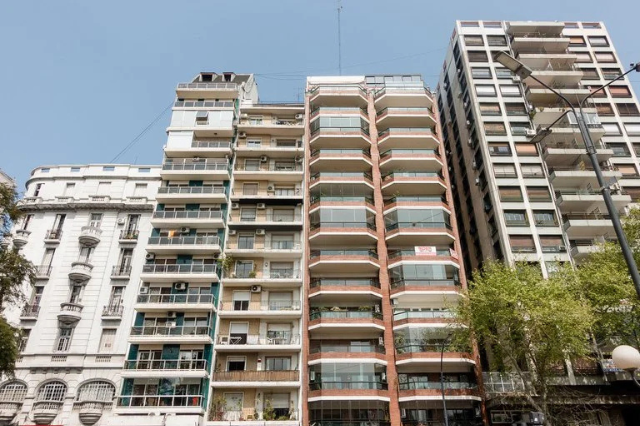
Argentine Real Estate Guide for Foreign Buyers
Thinking about buying a residential or rural property in Argentina? With flattened prices and a slowly rebounding market, foreign buyers are increasingly interested in acquiring quality properties at prices far below those of other major world cities. But investing here comes with specific rules, paperwork, and financial considerations that every foreign buyer should know. This guide walks you through the key steps, risks, and opportunities when entering Argentina’s real estate market.
Why Invest in Argentina Now?
In Argentina, property prices are at decade-long lows with several real estate markets showing signs of recovery. Not just in Buenos Aires, but throughout the country, there is a unique investment opportunity for foreign investors. As economic stability returns, this situation offers significant potential for those prepared to take on calculated risks.
Since taking office, Argentina’s president, Javier Milei, has initiated a broad set of market-based reforms that have had a positive impact on the Argentine real estate market. For example, through Decree 70/2023 [1], the government abolished the Ley de Alquileres, which removed stringent rent control restrictions and gave property owners wide latitude to negotiate rent contracts, making property ownership far more attractive for investors.
Apart from seeing a slight uptick in prices, another sign of market recovery has been the return of financing. In just the first half of 2025, the number of new home loans has already exceeded the total for all of 2024 [2]. Nevertheless, accessing credit remains costly and often difficult, leaving cash buyers with a significant advantage. Most real estate purchases in Argentina are still made in cash and, given the fluctuations of the Argentine peso, mostly in U.S. dollars.
Step-by-Step Guide for Foreign Buyers
Hire a Local Attorney
An experienced lawyer working with foreign buyers will be essential for navigating the Argentine real estate market. They’ll clarify the legal framework, guide you through every step of the transaction, register your property with tax authorities, and help with tax compliance and rental or resale strategies. For first-time buyers, this professional guidance is critical.
Research the Argentine Real Estate Market
The market varies significantly by region. In Buenos Aires, neighborhoods like Palermo, Belgrano, and San Telmo are popular for both rental and cultural appeal. Outside the capital, provinces such as Mendoza, Neuquén, or Salta offer quieter settings. Whether searching online or in person, consider hiring a reputable real estate agent—ideally one referred by a trusted source.
Work with a Notary Public (Escribano)
In Argentina, the Civil Law Notary Public acts as a title and escrow company for real estate transactions. This impartial intermediary ensures the legality and transparency of the transaction, drafts and certifies the title deed, reviews documentation, performs title searches, and oversees registration in the Registry of Real Property.
Obtain a CDI (Non-Resident Tax Identification Number)
Before purchasing property in Argentina, non-residents must obtain a “CDI” issued by the Federal Tax Authority. This is essential to execute the deed and register ownership. A local counsel can secure it on your behalf with a power of attorney—no physical presence required.
Hire a Local Accountant
Argentine property owners, including non-residents, face tax obligations such as the Personal Assets Tax, income tax on rental income, and, where applicable, VAT. The applicable tax rate—generally ranging from 0.5% to 1.5%—applies from the fiscal year in which the property is acquired, with liability determined annually as of December 31, even for non-residents. A local accountant can act as your representative (responsable sustituto) before the Federal Tax Authority to manage filings and ensure compliance.
Key Legal and Tax Considerations
Restrictions on Foreign Ownership of Rural Land
While foreign investors generally enjoy the same rights as locals, Law No. 26,737 [3] limits ownership of rural land, waterfront property, and areas near borders. Urban property is not affected. The Milei Administration has aimed to ease these restrictions, but they remain partially in force. Legal advice is essential for buyers of non-urban land. You can find more on the current state of the law in our recent article More on The Argentina Rural Land Law: A Stand for Sovereignty or The Pursuit of Foreign Investment?
Payment and Cross-Border Remittances
Argentine real estate is typically transacted in U.S. dollars and in cash. This can complicate things for foreign buyers without large local reserves. Use regulated channels—such as Argentina’s official exchange market—for bringing funds into the country. Advance planning and legal oversight are critical to avoid delays or compliance issues when buying properties in Argentina.
Financing Limitations for Non-Residents
While mortgage options have increased, Argentine real estate financing remains largely inaccessible to non-residents. Loans are typically available only to those with permanent residency and local income. Investors should not rely on local credit for their purchase.
Foreign investors seeking residency through investment may consider alternatives such as the Golden Visa program. You can find more on this option in our recent article Golden Visa for Foreign Investors in Argentina.
Taxes and Fees
Real estate transactions in Argentina involve multiple fees:
- Stamp Tax (Impuesto de Sellos): 2–4% of the deeded value (typically split between buyer and seller).
- Notarial Fees: 1–2% of the purchase price (also split between the parties).
- Real Estate Agent Commissions: 3–4% per party in Buenos Aires. Capped at 3% in some provinces.
- Additional registration, certificate, and deed costs.
Exact costs depend on property type and province, but buyers should expect to budget at least an additional 5–7% of the purchase price. In addition to the primary taxes and commissions, buyers and sellers may incur further costs—typically between 0.5% and 1% of the transaction value—such as registry certificates, administrative filings, title searches, and deed-related duties, which are allocated at the notary’s discretion and vary by jurisdiction.
Renting Your Property
Once the property is acquired, foreign investors are generally permitted to rent out the property, either through traditional long-term leases or via short-term rental platforms. In some jurisdictions, such as the City of Buenos Aires, temporary rentals must be registered with the tourism authority. For long-term rentals, property owners often require that tenants provide a guarantor or insurance policy (seguro de caución) to guard against the risk of non-payment. Retaining a real estate agent and legal counsel can be beneficial to assist in finding a suitable tenant and drafting and executing a legally sound lease agreement. Those who do not reside in Argentina should be prepared to grant a power of attorney to a local lawyer for contractual purposes—including the execution, administration, and enforcement of the lease.
Selling and Repatriating Funds
It is important to consider the tax implications and repatriation of proceeds when selling an investment property in Argentina. Prior to 2018, the sale of Argentine real estate by non-residents was subject to more onerous rules, including the now-repealed Real Estate Transfer Tax (ITI). For properties acquired on or after January 1, 2018, sales are subject instead to a flat 15% capital gains tax [4]. The buyer is generally required to withhold this tax from the purchase price and pay it to the Federal Tax Authority. When both the seller and the buyer are non-residents, the seller must appoint a local representative, typically an accountant, to handle the payment.
Investors should plan in advance for the repatriation of proceeds, as Argentina’s currency controls can delay or complicate international bank transfers. As of today, sale proceeds may either be paid directly abroad by the buyer into the seller’s foreign bank account, or paid locally to the seller and then freely transferred to a same-name bank account outside Argentina. However, given Argentina’s history of restrictive currency controls, these mechanisms may change or be limited in the future.
Conclusion: Navigating the Market with the Right Team
As the country’s economy regains its footing, investing in Argentine real estate presents an interesting opportunity. Nevertheless, especially for foreign investors, it requires careful planning—particularly when it comes to taxes, paperwork, and payment logistics. Working with trusted local advisors is crucial. The right guidance can ensure that all documentation is prepared in advance, tax responsibilities are handled correctly, and arrangements for receiving and transferring funds are in place—turning what could be a stressful process into a smooth and successful transaction.
Contact us for tailored legal advice on buying property and real estate investment in Argentina.
Footnotes
[1] Decreto de Necesidad y Urgencia No. 70/2023 [Emergency Decree No. 70/2023, “Bases for the Reconstruction of the Argentine Economy”], Dec. 20, 2023 (Arg.).
[2] Perfil, Boom hipotecario en Argentina: se dieron 19 mil préstamos en el primer semestre del 2025, Canal E (Aug. 19, 2025), https://www.perfil.com/noticias/canal-e/boom-hipotecario-en-argentina-se-dieron-19-mil-prestamos-en-el-primer-semestre-del-2025.phtml.
[3] Ley de Tierras Rurales [Law No. 26,737 on the Protection of National Domain over Ownership, Possession or Tenure of Rural Lands], Dec. 22, 2011 (Arg.).
[4] Ley No. 27,743 de Medidas Fiscales Paliativas y Relevantes [Law No. 27,743 on Palliative and Relevant Fiscal Measures], July 8, 2024 (Arg.).
More information
If you would like to discuss this matter with the attorneys at Wiener Soto Caparros, please do not hesitate to contact our authors.



Disclaimer
This article is based on publicly available information and is for informational purposes only. It is not intended to provide legal advice or an exhaustive analysis of the issues it mentions.